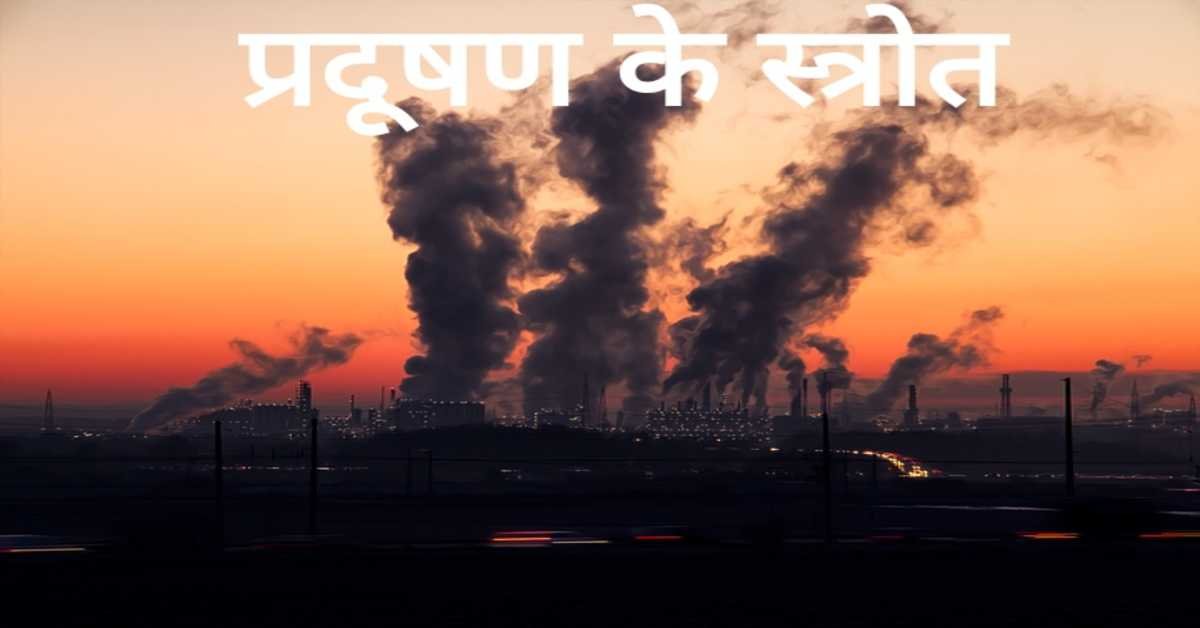
प्रदूषण के कारण–
प्रदूषण फैलने वाले प्रदूषक ठोस, तरल और गैसीय पदार्थ हो सकते हैं। प्रकृति संसाधनों के उत्खनन, कच्चे माल के प्रसंस्करण (प्रोसेसिंग), उत्पादों के निर्माण, कृषि ऊर्जा के उत्पादन इत्यादि के दौरान यह तत्व आमतौर पर उपउत्पादों वह व्यर्थ सामग्रि या अपशिष्ट के रूप में पूरे तंत्र में प्रवेश कर जाते हैं। ऊष्मा या विकिरण आदि का अत्यधिक उत्सर्जन भी प्रदूषण फैलाता है।
Causes of Pollution–
Pollutants that spread pollution can be solid, liquid and gaseous substances. These elements usually enter the whole system as by-products or waste material during the extraction of natural resources, processing of raw materials, manufacturing of products, production of agricultural energy, etc. Excessive emission of heat or radiation etc. also causes pollution.
प्रदूषण निम्न प्रकार के हैं।
विघटनशील प्रदूषण–
ऐसे तत्व जो भौतिक, रासायनिक अथवा जैविक विधि से स्वीकार्य स्तर तक विघटित अथवा काम होते जाएँ विघटनशील प्रदूषण कहलाते हैं। अधिकांश प्राकृतिक चीजों जैसे सब्जियों का कचरा विघटनशील है।
अविघटनशील प्रदूषक–
ऐसे तत्व जो प्रकृति की विधि से अपघटित नहीं हो पाते अविघटनशील प्रदूषण कहलाते हैं। उदाहरण के लिए प्लास्टिक, स्टायरोफोम के बर्तन आदि। एक बार पर्यावरण में आ जाने के बाद इनसे छुटकारा पाना मुश्किल है और वह इकट्ठे होते जाते हैं।
Pollution is of the following types.
Disruptive Pollution–
Such elements which decompose or work to an acceptable level by physical, chemical or biological method are called decomposing pollution. Most natural things like vegetable waste are degradable.
Non-degradable pollutants–
Such elements which cannot be decomposed by the law of nature are called non-degradable pollution. For example plastic, styrofoam utensils etc. Once in the environment, they are difficult to get rid of and tend to accumulate.
दीर्घस्थाई प्रदूषक–
इनमें वे तत्व आते हैं जिनको विघटित होने पर बहुत ज्यादा समय लगता है। उदाहरण के लिए जैसे ऐलुमिनियम के बर्तन डी.डी.टी जैसे रासायनिक कीटनाशक तथा सी.एस.सी जैसे रसायन। यह सालों तक बने रहते है और पर्यावरण पर इनके दीर्घकालीन व दूरगामी प्रभाव पड़ते हैं।
Permanent Pollutants–
These are substances that take a long time to decompose. For example, like aluminum utensils, chemical pesticides like DDT and chemicals like CSC. They persist for years and have long-term and far-reaching effects on the environment.
ठोस प्रदूषक तत्व–
इस श्रेणी में प्लास्टिक के बैग, कागज इत्यादि के साथ-साथ वाहनों तथा उद्योगों के धुएँ में पाए जाने वाले कणीय तत्व भी आते हैं ताप विद्युत संयंत्रों से निकली राख और उड़न राख (फ्लाई ऐश) भी औद्योगिक प्रकृति वाले प्रमुख ठोस प्रदूषक तत्व है।
Solid Pollutants–
This category includes particulate matter found in plastic bags, paper, etc. as well as in the smoke of vehicles and industries. ash from thermal power plants and fly ash are also major solid pollutants of industrial nature.
तरल प्रदूषण तत्व–
तरल प्रदूषक तत्वों की श्रेणी में शहरों से निकलने वाला तरल सीवेश अथवा उद्योगों से निकलने वाला तरल अपशिष्ट शामिल है। कई उद्योग विभिन्न प्रक्रियाओं के लिए काफी मात्रा में जल का उपयोग करते हैं। दूषित होने के बाद इन्हें छोड़े जाने तक यह जल तरल प्रदूषक में परिवर्तित हो हो चुका होता है।
Liquid Pollution Elements–
Liquid pollutants include liquid sewage from cities or liquid waste from industries. Many industries use large amounts of water for various processes. By the time they are discarded after contamination, this water has been converted into a liquid pollutant.
गैसीय प्रदूषक तत्व–
वाहनो तथा उद्योगों की चिमनी से निकलने वाला धुआँ गैसीय प्रदूषको की श्रेणी में आता है। यहाँ तक कि सिगरेट का धुआँ भी इसी प्रकार का प्रदूषण होता है। इसमें कार्बन मोनोऑक्साइड के साथ-साथ कई कैंसरजन्य योगिक होते हैं। मानव स्वास्थ्य के लिए अत्यधिक घातक होता है। वाहनों के धुएँ में कार्बन मोनो ऑक्साइड, सल्फर डाइऑक्साइड और नाइट्रोजन डाइऑक्साइड जैसे गैसें हवा की गुणवत्ता को हानि पहुँचाकर पर्यावरण को कई तरह से हानि पहुँचती है।
Gaseous Pollutants–
Smoke from the chimneys of vehicles and industries comes under the category of gaseous pollutants. Even cigarette smoke causes this type of pollution. It contains carbon monoxide as well as many carcinogenic compounds. Extremely dangerous to human health. Gases such as carbon monoxide, sulfur dioxide and nitrogen dioxide in vehicular smoke harm the environment in many ways, harming air quality.
कोई पदार्थ जो अपने आप में हानिकारक नहीं होता, विशेष सान्त्रता में या विशेष मात्रा में या विशिष्ट परिस्थितियों में प्रदूषण बन सकता है। उच्च सांद्रता में सीवेज प्रदूषक हो सकता है जबकि अन्यथा वह खाद के रूप में इस्तेमाल किया जा सकता है। नमक एक प्राकृतिक वस्तु है लेकिन बोरे भर नमक तालाब में डाल देने पर वह तालाब प्रदूषक हो जाएगा। क्योंकि पाली मछली, पौधों और अन्य जलीय जंतुओं के लिए यह पानी अति लावणीय हो जाएगा।
Any substance which is not harmful in itself, can become pollution at particular concentration or in particular quantity or under specific conditions. Sewage can be a pollutant in high concentrations while otherwise it can be used as manure. Salt is a natural commodity, but if you put a sack of salt in the pond, that pond will become a pollutant. Because this water will become too saline for poly fish, plants and other aquatic animals.
आशा है, उपरोक्त जानकारी परीक्षार्थियों के लिए ज्ञानवर्धक एवं परीक्षापयोगी होगी।
धन्यवाद।
B B Patle
edubirbal.com
टिप्पणियाँ (0)
अपनी टिप्पणी दें
इस लेख पर अभी तक कोई टिप्पणी नहीं है। सबसे पहले टिप्पणी करके चर्चा शुरू करें!