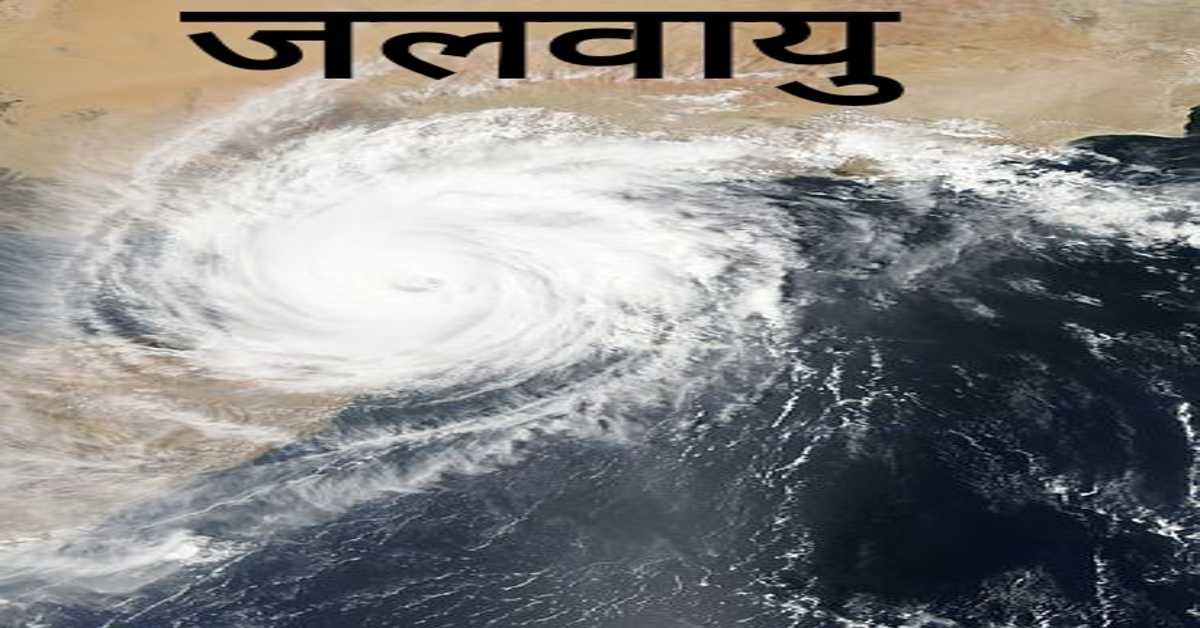
भारत में अरब सागर एवं बंगाल की खाड़ी से चलने वाली हवाओं की दिशा ऋतु परिवर्तन के साथ बदल जाती है, इसी कारण भारतीय जलवायु को 'मानसूनी जलवायु' की संज्ञा दी जाती है। भारत में 'मानसूनी' प्रकार की जलवायु पाई जाती है। 'मानसून' शब्द की उत्पत्ति अरबी शब्द 'मौसिम' से हुई है, जिसका अर्थ है- 'पवनों की दिशा का ऋतुवत (मौसम के अनुसार) प्रत्यावर्तन ।
The direction of the winds blowing from the Arabian Sea and Bay of Bengal in India changes with the change of seasons, that is why the Indian climate is called 'Monsoon Climate'. 'Monsoon' type of climate is found in India. The word 'monsoon' is derived from the Arabic word 'mausim', which means 'the seasonal change of the direction of the winds'.
भारतीय मानसून
भारत की जलवायु 'उष्ण मानसूनी' प्रकार की है। किंतु, ध्यान देने
योग्य तथ्य यह है कि भारत का उत्तरी भाग जो कर्क रेखा के उत्तर
में स्थित है शीतोष्ण कटिबंध में, तथा कर्क रेखा के दक्षिण में स्थित भाग उष्णकटिबंध के अंतर्गत आता है। ग्रीष्म ऋतु के आरंभ होने से सूर्य का उत्तरायण होना आरंभ होता है। सूर्य के उत्तरायण के साथ-साथ अत: उष्ण कटिबंधीय अभिसरण क्षेत्र (ITCZ) का भी उत्तरायण होना प्रारंभ हो जाता है। इसके प्रभाव से पश्चिमी जेट स्ट्रीम हिमालय के उत्तर में प्रवाहित होने लगती है तथा भारतीय उपमहाद्वीप में तापमान की अधिकता से निम्न वायुदाब का विकास होता है। भारतीय मानसून का संबंध मुख्यतः ग्रीष्म ऋतु में होने वायुमंडलीय परिसंचरण में परिवर्तन से है।
पूर्वी जेट प्रवाह के प्रभाव से दक्षिणी हिंद महासागर में मेडागास्कर द्वीप के समीप उच्च वायुदाब का विकास होता है। इसी उच्च वायुदाब के केंद्र से दक्षिण-पश्चिम मानसून की उत्पत्ति होती है।
पश्चिमी जेट स्ट्रीम के हिमालय के उत्तर में विस्थापन के पश्चात् भारत में 'पूर्वी जेट प्रवाह' का विकास होता है। इसकी स्थिति लगभग 15°-30° उत्तरी अक्षांश में ऋतुओं के अनुसार बदलती रहती है, इसे ही भारतीय मानसून प्रस्फोट के लिये प्रमुख रूप से उत्तरदायी माना जाता है।
Indian Monsoon
The climate of India is 'warm monsoon' type. But pay attention Worthy fact is that the northern part of India which is north of the Tropic of Cancer
It is located in the temperate zone, and the part south of the Tropic of Cancer belongs to the tropics. With the onset of summer, the sun starts turning north. Along with the Uttarayan of the Sun, the Tropical Convergence Zone (ITCZ) also begins to turn. Due to this effect, the western jet stream starts flowing in the north of the Himalayas and due to the high temperature in the Indian subcontinent, low air pressure develops. The Indian monsoon is mainly related to the change in atmospheric circulation during the summer season. Due to the influence of easterly jet flow, high pressure develops in the southern Indian Ocean near the island of Madagascar. The southwest monsoon originates from this high pressure center. After the displacement of the western jet stream to the north of the Himalayas, 'Eastern jet stream' develops in India. Its position varies according to the seasons in about 15°-30° north latitude, it is considered mainly responsible for the Indian monsoon eruption.
भारत में मानसून का आगमन
भारत की कृषि प्रधान अर्थव्यवस्था मानसूनी वर्षा पर अधिक निर्भर रहती है इसलिये जब वर्षा सामान्य समय से पहले समाप्त हो जाती है तो खड़ी फसलों को नुकसान तो होता ही है, साथ ही शीतकालीन फसलों की बुआई में भी कठिनाई आती है। भारत में होने वाली मानसूनी वर्षा, 'मौसमी' होतो है। जो जून से सितंबर के दौरान होती है। भारत में होने वाली वर्षा मुख्य रूप से भूआकृतियों (उच्चावच) द्वारा नियंत्रित होती है, उदाहरण के रूप में पश्चिमी घाट के पवनाभिमुखी ढाल पर लगभग 250 सेंटीमीटर तक वर्षा होती है। इसी प्रकार पूर्वी भारत में पहाड़ियों की विशेष स्थिति के कारण ही पूर्वी राज्यों में भारी वर्षों होती है। जून के प्रथम सप्ताह में मानसूनी हवाएँ केरल, कर्नाटक, गोवा व महाराष्ट्र के तटीय क्षेत्रों तक पहुँच जाती है। सर्वप्रथम मानसूनी हवाएँ केरल के तट से टकराती है, जिसे 'मानसून प्रस्फोट' की संज्ञा दी जाती है। समुद्र से दुरी बढ़ने के साथ-साथ मानसूनी वर्षा घटती जाती है। यही कारण है कि भारत में मानसूनी वर्षा के द्वारा कोलकाता में 119 सेमी. पटना में 105 सेमी.. इलाहाबाद में 76 सेमी. तथा दिल्ली में 56 सेमी. तक ही वर्षा होती है।
Arrival of Monsoon in India
India's agricultural economy is heavily dependent on monsoon rains, so when the rainfall ends before the normal time, standing crops are damaged, as well as difficulty in sowing winter crops. The monsoon rainfall that occurs in India is 'seasonal'. Which takes place from June to September. Rainfall in India is mainly controlled by landforms, for example the windward slope of the Western Ghats receives about 250 cm of rainfall. Similarly, due to the special position of the hills in eastern India, there are heavy years in the eastern states. Monsoon winds reach the coastal areas of Kerala, Karnataka, Goa and Maharashtra in the first week of June. First of all, the monsoon winds hit the coast of Kerala, which is called 'monsoon burst'. The monsoon rainfall decreases with increasing distance from the sea. This is the reason that 119 cm in Kolkata has been received by the monsoon rainfall in India. 105 cm in Patna.. 76 cm in Allahabad. and 56 cm in Delhi. It rains only till then.
आशा है, उपरोक्त जानकारी परीक्षार्थियों के लिए ज्ञानवर्धक एवं परीक्षापयोगी होगी।
धन्यवाद।
B B Patle
edubirbal.com
टिप्पणियाँ (0)
अपनी टिप्पणी दें
इस लेख पर अभी तक कोई टिप्पणी नहीं है। सबसे पहले टिप्पणी करके चर्चा शुरू करें!