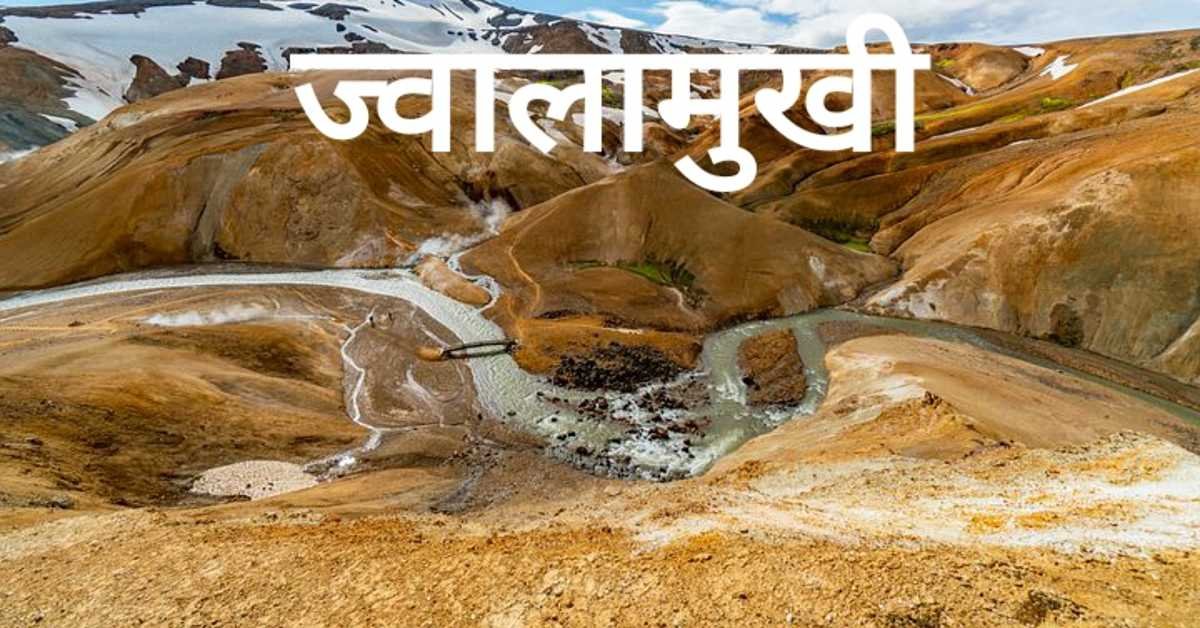
ज्वालामुखी Volcano
भू-आकृति विज्ञान में ज्वालामुखी को आकस्मिक घटना के रूप में देखा जाता है और पृथ्वी की सतह पर परिवर्तन लाने वाले बलों में इसे रचनात्मक बल के रूप में वर्गीकृत किया जाता है क्योंकि इनसे कई स्थलरूपों का निर्माण होता है। वहीं, दूसरी ओर पर्यावरण भूगोल इनका अध्ययन एक प्राकृतिक आपदा के रूप में करता है क्योंकि इससे पारितंत्र और जान-माल का नुकसान होता है।
In geomorphology, volcanism is seen as a sudden event and is classified as a constructive force among the forces that bring about changes on the Earth's surface because they create many landforms. On the other hand, environmental geography studies them as a natural disaster because it causes damage to the ecosystem and life and property.
ज्वालामुखी भूपटल पर वह प्राकृतिक छिद्र या दरार है जिससे होकर पृथ्वी का पिघला हुआ पदार्थ लावा, राख, भाप तथा अन्य गैसें बहार निकलती है। जो लावा बहार निकलकर हवा में उड़ जाता है वह शीघ्र ही ठंडा होकर छोटे-छोटे टुकड़ों में बदल कर निचे गिर जाता है जिसे हम सेंडर कहते हैं।
ज्वालामुखी (Volcano) प्राय: एक गोलाकार छिद्र अथवा खुला होता है, जिससे होकर पृथ्वी के अत्यन्त तप्त भू-गर्भ से गैस, लावा, जल एवं चट्टानों के टुकड़ों से युक्त गर्म पदार्थ पृथ्वी के धरातल पर प्रकट होते हैं। ये दो प्रकार के होते हैं।
1. विस्फोटक केन्द्रीय उद्गार
2. दरारी लावा प्रवाह
Volcano is often a circular hole or opening through which hot material consisting of pieces of gas, lava, water and rocks from the Earth's very hot Earth's core reaches the Earth's surface. appear on the surface. These are of two types.
1. Explosive Central Exclamation
2. Cracked Lava Flow
ज्वालामुखी आपदा के अन्तर्गत लावा प्रवाह लहर, पंक प्रवाह, धूल, राख तथा विखण्डित पदार्थों के उद्भवन, जहरीली गैसों, धुएँ आदि की शामिल किया जाता है।
Volcanic disaster includes lava flow, wave, mud flow, discharge of dust, ash and fragmented materials, toxic gases, smoke etc.
ज्वालामुखी विस्फोट के कारण
ज्वालामुखी विस्फोट को किसी भी कृत्रिम कारण से सम्बन्धित नहीं किया जाता है। केवल प्लेटों के खिसकने एवं उनकी विविध प्रक्रिया के सम्पादन के दौरान ही ज्वालामुखी विस्फोट की परिस्थिति पैदा होती है।
Causes of Volcanic Eruption
Volcanic eruptions are not attributed to any artificial cause. It is only during the sliding of the plates and the editing of their various processes that the situation of volcanic eruption arises.
ज्वालामुखी विस्फोट से नुकसान
जवालामुखी विस्फोट की स्थिति पैदा होने पर हवाई यातायात (आइसलैण्ड का इयाजाफजाला जोकुल ज्वालामुखी विस्फोट) प्रभावित होता है, साथ ही पर्यावरणरीय प्रदूषण की स्थिति पैदा होती है। और ऑक्सीजन की कमी हो जाती है।
Volcanic eruption damage
When a volcanic eruption occurs, air traffic (Iceland's Eyjafjala Jokul volcano eruption) is affected, as well as environmental pollution. And there is a lack of oxygen.
आशा है, उपरोक्त जानकारी परीक्षार्थियों के लिए ज्ञानवर्धक एवं परीक्षापयोगी होगी।
धन्यवाद।
B B Patle
edubirbal.com
टिप्पणियाँ (0)
अपनी टिप्पणी दें
इस लेख पर अभी तक कोई टिप्पणी नहीं है। सबसे पहले टिप्पणी करके चर्चा शुरू करें!